11 Spiritual Meanings of Quokka: Joyful Symbolism & Optimistic Spirit
The quokka’s happy look often stands for more than just cuteness. It shows deeper meanings tied to strength, positivity, and balance. Its cheerful attitude can reflect your own life. It encourages you to find joy and keep going, even when times are tough. Looking at these meanings helps you see how a small animal can inspire personal growth and cultural understanding. Think about how these qualities can change how you see life and how you relate to others.
Embodying Unwavering Happiness
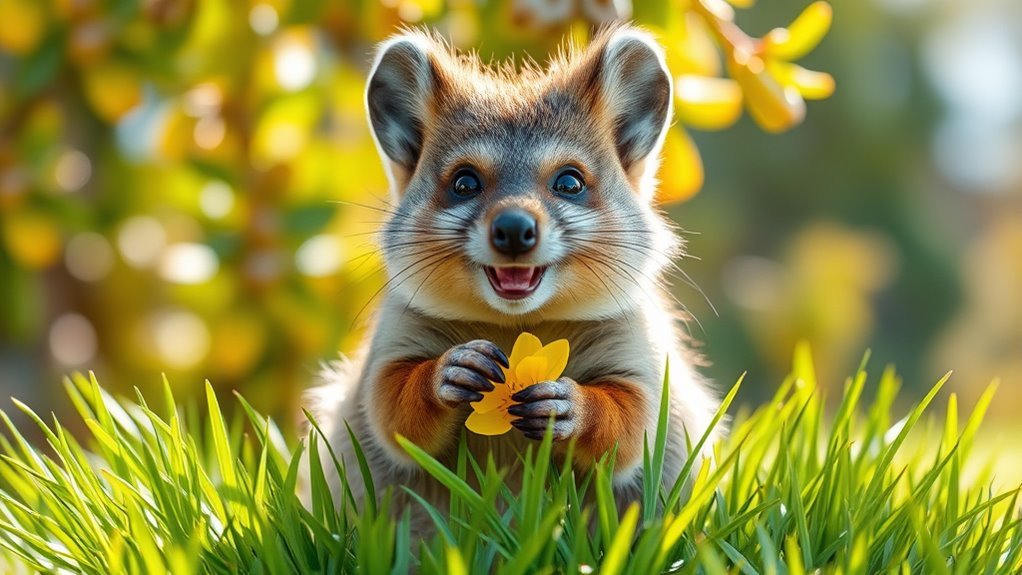
Quokkas are known for their happy look. Their smile shows their joyful nature. But their meaning goes beyond just a cheerful face.
Quokkas symbolize a strong sense of happiness. They remind you to stay positive no matter what. Even when life is hard, they stay happy and calm.
This shows you can choose happiness, even in tough times. Seeing a quokka’s bright expression encourages you to be resilient. It suggests that happiness comes from inner strength.
Their cheerful presence helps you feel connected and supported. By understanding this symbol, you learn to find joy in daily life. It helps you believe that lasting happiness is possible.
Embracing the message of the quokka can boost your mental strength and positivity.


Last update on 2026-05-09 / Affiliate links / Images from Amazon Product Advertising API Some of the links on this website are affiliate links, which means that at no additional cost to you, I earn a commission if you click through and make a purchase. I only recommend products and services that I believe will add value to my readers. Thank you for your support!
Signaling Resilience and Perseverance
When you see a quokka with a calm face, it shows strength and persistence. This behavior shows resilience, meaning the ability to adapt and recover from challenges.
The quokka’s emotional strength shows it can stay positive even when facing tough conditions. This inspires hope and shared strength in others.
Recognizing this resilience helps us feel connected, reminding us that overcoming problems is a common part of life.
The quokka’s persistence emphasizes the importance of staying steady and resilient when obstacles appear.
Spreading Joy and Positivity
Seeing a quokka often makes people feel happy and positive because of its cheerful face and friendly nature. This joyful presence helps build a sense of community and shared purpose.
It also reminds us of the importance of protecting their habitat. Saving quokkas helps keep their environment healthy and supports biodiversity.
When you embrace their happy spirit, you spread optimism and kindness in your community. Recognizing what they symbolize encourages conservation efforts that benefit everyone.
Manifesting Gratitude and Contentment
Seeing a quokka can make you feel grateful and grateful for simple things in life. This moment helps you practice mindfulness. Focus on your surroundings and how you feel inside. Watching the happy quokka can wake up your spirit and help you see abundance in daily moments.


Last update on 2026-04-05 / Affiliate links / Images from Amazon Product Advertising API Some of the links on this website are affiliate links, which means that at no additional cost to you, I earn a commission if you click through and make a purchase. I only recommend products and services that I believe will add value to my readers. Thank you for your support!
This awareness helps you feel thankful and shifts your focus from lack to appreciation. The cheerful attitude of the quokka reminds you that contentment comes from inside. It builds a sense of belonging and connection to the world.
Invoking Playfulness and Lightheartedness
Seeing a quokka often brings feelings of happiness and encourages a fun, easygoing view of life. This cheerful attitude can show in your personal style. You might choose quirky clothes or colorful decorations that seem playful and spontaneous.
By adding these elements, you promote a culture that celebrates being unique and helps people feel a sense of belonging. The happy face of the quokka reminds you to focus on humor and lightness. It helps shift your attention from worries to joyful moments.
Embracing this symbol can help you create a space—whether in your clothing or your environment—that values spontaneity and a carefree vibe. This approach supports a positive outlook on life’s unpredictable path.
Cultivating a Cheerful Outlook on Life
Embracing the playful and lighthearted spirit of the quokka encourages you to develop a cheerful outlook in your daily life. Focus on building community by creating genuine connections and sharing experiences that lift everyone involved.
Practice kindness as a key value. Doing so helps you stay strong and maintain a positive view, even when facing difficulties.
Shift your attention from setbacks to chances for happiness. Practice gratitude and show compassion regularly.
This approach strengthens your social bonds and makes you feel connected. It aligns your attitude with the joyful symbol of the quokka.
Representing Shine and Inner Brightness
The quokka stands for inner brightness and a real shine that come from within. Its happy nature reminds you that your inner light affects how you appear to others.
When you focus on this symbol, try to:
- Be true to yourself, allowing your genuine self to shine confidently.
- Stay positive, which increases your inner brightness and makes you feel warm.
- Show kindness, because real compassion makes your presence more radiant.
By doing these things, you help create a sense of belonging. Others will see their own inner brightness. The lively spirit of the quokka encourages you to share your light freely.
This spreads warmth and builds stronger bonds. Your inner glow becomes a signal that draws people in and helps connect everyone.
Encouraging Optimism Amid Challenges
The cheerful quokka shows that staying positive helps when facing difficulties. Animals have become symbols in many cultures. They often represent qualities like happiness and strength.
The quokka’s friendly look reminds you to find joy even during hard times. Its image is meaningful in cultures that value hope and community. This suggests optimism isn’t just for individuals but also for groups.
The quokka’s lively attitude encourages you to see challenges as chances to grow. By thinking like the quokka, you can develop a mindset that faces problems with purpose. Focusing on optimism benefits both you and those around you, making everyone stronger.
Emphasizing Connection With Nature
Connecting with nature, like the happy quokka, helps you see the strong bond between humans and the environment. Recognizing this link improves your understanding of forest health and ecological balance. It makes you feel part of the natural world.
To build this bond:
- Watch your surroundings carefully. Notice nature’s patterns and details.
- Join efforts to protect habitats and wildlife.
- Be thankful for nature’s gifts. See your role in keeping ecosystems healthy.
Being actively involved develops respect and awareness. It reminds you of your place in the web of life.
Teaching the Power of Friendly Diplomacy
Friendly diplomacy uses kindness and understanding to solve conflicts. It builds cooperation among different cultures. Recognize the meaning of friendly gestures. They help create bridges of respect and trust.
Many societies have valued diplomacy to keep harmony. They see peace and good relations as important. Teaching friendly diplomacy involves sharing human values. It encourages empathy and patience.
When you promote these qualities, you help others prefer cooperation. This focus on friendliness reflects the joyful and hopeful spirit of animals like the quokka. It inspires a sense of belonging and connection across cultures.
Inspiring Self-Love and Acceptance
Building on kindness through friendly actions, embracing self-love and acceptance helps you find inner peace and boost your confidence.
Recognizing your unique qualities lets you connect more deeply with yourself and others. Try these simple steps:
- Be kind to yourself. Notice your mistakes without criticizing yourself.
- Use positive words about yourself. Remind yourself of your strengths and worth.
- Do activities you enjoy. Focus on what makes you feel happy and confident.
These steps build a sense of belonging inside you.
When you accept yourself, your inner peace grows. Your confidence shines and influences others positively.
Like the cheerful quokka, your self-love becomes a bright symbol that encourages others to embrace their true selves with kindness and hope.
Frequently Asked Questions
What Cultural Significance Do Quokkas Hold in Different Societies?
In many societies, quokkas symbolize happiness and strength. People see them as symbols of joy and hope. These animals inspire traditions and events that bring communities together. Recognizing these symbols helps you understand different cultural values and beliefs.
How Do Quokkas Exemplify Spiritual Resilience in Modern Symbolism?
Quokkas show resilience by symbolizing perseverance through challenges. Their cheerful attitude encourages you to stay positive during difficult times. This attitude fosters a sense of belonging and strength that connects with different cultures and personal stories.
Can Quokka Symbolism Be Integrated Into Personal Growth Practices?
You can include quokka symbolism in your personal growth. Practice mindfulness to increase happiness and positivity. Use affirmations inspired by quokka resilience. These help build confidence and patience. Focus on feeling connected to others and respecting different cultures. This approach supports your journey to improve yourself.
Are There Specific Rituals or Traditions Associated With Quokka-Inspired Spirituality?
There are specific rituals and traditions in quokka-inspired spirituality. People practice quokka meditation, which helps increase feelings of joy and hope. Participants may also take part in quokka-themed ceremonies that focus on community, gratitude, and happiness. These rituals create a sense of belonging through the symbols of quokkas, celebrating their positive qualities.
How Does the Quokka’S Imagery Influence Mental Health and Emotional Well-Being?
The image of the quokka boosts mental health and emotional well-being. Seeing a quokka makes people feel happy and grateful. This happiness encourages being present in the moment. Feeling grateful improves mental resilience. The quokka’s cute image helps people feel a sense of belonging. It connects people to positive feelings and community. These images support a hopeful outlook. They remind individuals to focus on joy and connection. Overall, the quokka’s symbolism uplifts spirits and nurtures mental health.

Liza Stockholm is an esteemed spiritual guide and the visionary behind Spiritual with Liza. With a profound passion for empowering others on their spiritual journey, Liza offers a blend of educational content and personal guidance. Her expertise in spirituality is rooted in years of dedicated practice and study, making her a trusted companion for those seeking enlightenment and inner peace.