11 Sacred Insights Into the History of Sage Burning: a Spiritual Tradition Through Time
Many people know about sage burning as a spiritual practice, but few understand its history. Ancient cultures used sage for purification and healing. Indigenous tribes used sage in rituals to clear negative energy. These traditions helped strengthen communities and show respect for nature. Today, sage burning continues to evolve while keeping its roots. Learning about its history can deepen your appreciation. It may also inspire mindful ways to use sage. Discovering these facts can help you connect more deeply with this timeless tradition.
Origins of Sage Burning in Ancient Cultures
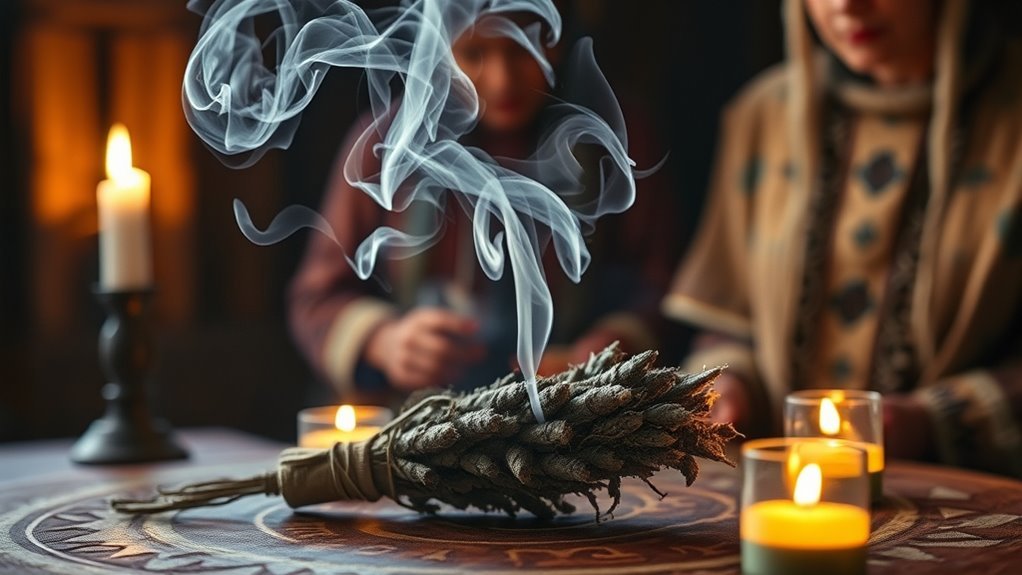
Many ancient cultures used sage burning to purify spaces, connect with spirits, and promote healing. They believed smoke from sage had spiritual power and was a gift from nature. Early peoples gathered around fires and wafted sage smoke to cleanse their homes and bodies.
They thought this practice would remove negative energy. These rituals helped communities come together and feel a sense of unity.
In these customs, sage symbolized wisdom, protection, and cleansing. Over time, these practices created a strong foundation for understanding the spiritual use of natural plants.
Today, many still use sage burning as part of spiritual or cleansing rituals.
Indigenous Practices and Sacred Rituals
Indigenous cultures keep sacred rituals that involve burning sage. These rituals are more than simple cleansing. They follow traditions passed down for many generations. People perform them during important ceremonies or gatherings.


Last update on 2026-05-09 / Affiliate links / Images from Amazon Product Advertising API Some of the links on this website are affiliate links, which means that at no additional cost to you, I earn a commission if you click through and make a purchase. I only recommend products and services that I believe will add value to my readers. Thank you for your support!
During these rituals, participants often wear special clothing, such as bright shawls, feathered headdresses, or handmade jewelry. Burning sage connects people with ancestors and the natural world. It helps create a feeling of unity and shared purpose.
These practices remind everyone of the sacred relationship with Mother Earth. They show respect for life, unity, and spiritual growth. These rituals are a lasting part of their culture, built on love, tradition, and hope.
Sage as a Symbol of Purity and Protection
Have you ever wondered why sage is seen as a symbol of purity and protection? It’s more than just a fragrant herb. Sage is used in ceremonies to purify spaces. Burning sage helps clear negative energy. It also invites positive energy into the space.
Many cultures believe that sage offers spiritual protection. It acts like an invisible shield against harmful influences. This tradition has a long history. It reminds us that purity and protection are important in sacred rituals.
Using sage symbolically connects you to a tradition that brings feelings of safety and clarity. It can be like a gentle hug from the universe, offering comfort and peace during your spiritual practice.
The Role of Sage in Spiritual Cleansing and Healing
Have you ever wondered how sage can help you feel spiritually refreshed and healed? During scented ceremonies, burning sage creates a calming environment that improves your connection to yourself and others.
It’s more than just a pleasant smell; sage symbolizes purity and protection. When you light sage, you cleanse your space and release negative energy. This process invites positive feelings and good vibes.
Many people feel more balanced and centered after using sage, especially during stressful times. Sage acts as a spiritual purifier. It helps clear mental clutter and emotional weight.


Last update on 2026-04-05 / Affiliate links / Images from Amazon Product Advertising API Some of the links on this website are affiliate links, which means that at no additional cost to you, I earn a commission if you click through and make a purchase. I only recommend products and services that I believe will add value to my readers. Thank you for your support!
Think of it as a gentle reset for your soul. It makes room for growth and healing. Next time you need a spiritual boost, try using sage. Your inner self will thank you.
Variations of Sage Burning Across Different Traditions
Sage burning looks simple but has many different practices worldwide. In Native American ceremonies, people burn sage to cleanse spaces and connect with spirits. They often do this during meditation to promote mindfulness and spiritual clarity.
In other cultures, sage is used in cooking. In Mediterranean dishes, sage’s smoky aroma adds flavor. In Chinese medicine, sage is used in herbal drinks instead of burning.
These practices show how important sage is in human history. People use it for spiritual, healing, and culinary purposes. Whether for meditation, healing, or food, sage’s many uses connect us to a long tradition shared across the world.
The Use of Sage in Colonial and Post-Colonial Contexts
During the colonial and post-colonial times, the use of sage and other native plants changed. Colonizers often misunderstood the importance of sage. They sometimes removed its spiritual meaning or used it differently in new rituals.
After colonization, new traditions mixed with old ones. You may see:
- Indigenous practices replaced or changed in colonized areas
- Christian or Western rituals using sage for cleaning
- Cultural pride leading to efforts to keep original uses
- New ceremonies that blend old and new beliefs
- Communities feeling connected through these adaptations
These changes show how sage stayed a symbol of connection. Despite shifts, it helped communities hold onto their spiritual identity.
Modern Reemergence of Sage Rituals in Wellness Movements
In recent years, many people have turned to traditional practices to improve wellness. They include sage rituals, such as burning sage to clean spaces or using it during meditation. These practices create a shared sense of community and spiritual connection.
However, the growing popularity of sage rituals has some issues. Businesses often sell sage as a trendy product, which can change how people see its true meaning. This commercialization may make the practice less sacred and more of a commodity.
If you choose to use sage in your routines, it’s important to understand and respect its cultural roots. Remember that genuine connection comes from honoring the tradition, not just following a trend.
Cultural Significance of Sage in Contemporary Spirituality
Many people use sage in their spiritual practices to connect with cultural traditions from Indigenous communities. These practices go beyond cleaning spaces; they show respect for history and community.
People want to understand sage’s true meaning, not just the popular ideas. Commercial sales have caused misunderstandings and misuse. Sacred practices risk becoming products.
To honor the tradition, consider these points:
- Respect the cultural history of sage use
- Support sustainable harvesting methods
- Don’t treat sage as a trendy accessory
- Learn about the spiritual meanings from Indigenous voices
- Buy from sources that honor ethical and cultural roots
Following these steps helps you connect sincerely and show respect for the tradition behind sage.
Ethical Considerations and Sustainable Harvesting
Taking care of sage involves more than following tradition. It also means respecting the communities that have used it for many generations. Choosing sage that’s ethically sourced helps promote sustainable harvesting.
Sustainable practices protect the environment and support those who grow sage. Overharvesting can harm plant populations and disrupt ecosystems. To prevent this, buy from suppliers that follow ethical standards.
These suppliers harvest sage responsibly and let plants regrow. This practice keeps sage available in the future and honors cultural traditions that value nature. Making thoughtful choices supports sustainability.
It helps preserve sage as a special and natural gift for future generations. By choosing wisely, you contribute to a healthier planet—one bundle at a time.
Scientific Perspectives on Sage’s Aromatic and Medicinal Properties
Sage has a strong scent and medicinal qualities. People have used sage for thousands of years. Scientific research explains why sage is beneficial.
Plant scientists study how sage’s essential oils affect health. These oils have compounds like thujone and camphor. These compounds are known for their healing effects.
Breathing in sage’s aroma can help you feel calmer or more focused. Research also shows sage’s antioxidants fight inflammation and strengthen the immune system.
Current studies focus on these areas:
- How sage’s essential oils improve mental clarity
- Sage’s ability to reduce inflammation and oxidative stress
- Healing effects of sage’s active compounds
- Sage’s antimicrobial properties from plant studies
- How these compounds support overall health
The Future of Sage Burning in a Globalized World
As the world connects more closely, the practice of sage burning changes in new ways. Different cultures are adopting or changing these traditions. They mix old rituals with modern spiritual ideas. This cultural change helps people feel a stronger bond across communities.
Laws exist in some places to protect health and the environment. These laws can make it harder to practice sage burning. Still, many people find smart ways to keep traditions. They use dried, sustainable sage or try other options.
The future of sage burning depends on balancing respect for its sacred meaning with modern laws. This approach helps keep the practice alive, responsible, and inclusive for everyone.
Frequently Asked Questions
How Do Different Cultures Interpret the Spiritual Significance of Sage?
Different cultures see sage as a symbol of spiritual cleansing. Many indigenous groups use sage in rituals to purify people and spaces. In Native American practices, sage helps clear negative energies and connects people to their spiritual roots. In Chinese traditions, sage is used in medicine and spiritual ceremonies to promote health and harmony. In some European cultures, sage is a plant believed to bring wisdom and protection. These traditions show that different societies value sage for its spiritual and symbolic importance. Each culture’s rituals with sage help maintain their sense of identity and spiritual connection.
What Are the Environmental Impacts of Commercial Sage Harvesting?
Commercial sage harvesting can harm the environment. Overharvesting reduces plant populations and can damage habitats. When too many plants are collected, it affects the ecosystem and other species that depend on sage. To protect the environment, use sustainable harvesting methods. These practices help preserve sage plants and their habitats. Caring for sage this way promotes ecological health. It also connects you to the natural cycle, encouraging respect and appreciation for nature.
Can Sage Burning Be Integrated Into Modern Therapeutic Practices?
You can add sage burning to modern therapy methods. It works well with aromatherapy. Sage burning helps calm the mind and cleanses the space. This practice supports relaxation and mental clarity. It connects people to old traditions. Using sage in therapy creates a sense of calm and well-being. This simple act can bring comfort and peace to many.
Are There Potential Health Risks Associated With Sage Smoke Inhalation?
You might ask if inhaling sage smoke poses health risks. Burning sage produces smoke that can irritate your lungs or throat. People with allergies or asthma may experience worsened symptoms. It is important to use sage in well-ventilated areas and avoid inhaling deeply. If you feel uncomfortable, stop the burning process and seek fresh air. Always check with a health professional if you have concerns about smoke exposure. Taking these steps can help you enjoy sage rituals safely.
How Is the Authenticity of Traditional Sage Rituals Maintained Today?
You keep traditional sage rituals authentic by respecting their cultural origins. Practice rituals with clear intention. Include community members in your practice. These steps help maintain the true meaning of the rituals. They also strengthen community bonds and protect the spiritual importance of each cleansing ceremony.

Liza Stockholm is an esteemed spiritual guide and the visionary behind Spiritual with Liza. With a profound passion for empowering others on their spiritual journey, Liza offers a blend of educational content and personal guidance. Her expertise in spirituality is rooted in years of dedicated practice and study, making her a trusted companion for those seeking enlightenment and inner peace.


