
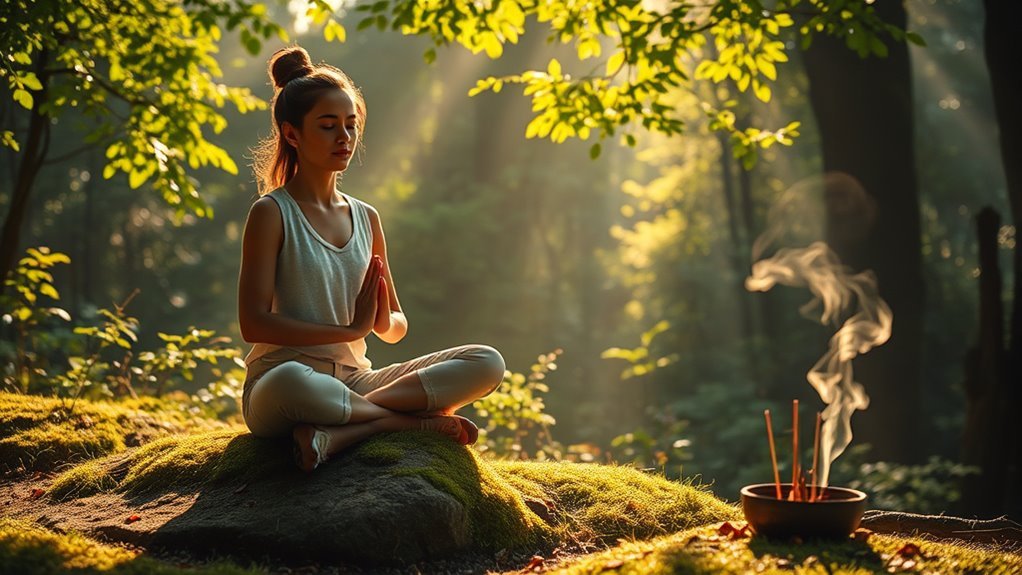
11 Spiritual Guidelines for How Long You Should Meditate
There is no fixed rule for how long you should meditate. Start with one or two minutes. This helps you develop a regular habit. As you feel more comfortable, increase your meditation time gradually. Pay attention to how your body and mind respond. Set clear goals for your practice. Stay flexible. Find a meditation length that fits your needs. Experiment to discover what works best for you.
Start Small and Build Gradually
Starting meditation may seem challenging at first. It’s normal to feel unsure at the beginning. You don’t need to sit perfectly straight or in a special position right away. Focus on your breath. Take slow, deep breaths in and out. This helps your mind relax.
Sit comfortably with your back straight. Good posture allows your energy to flow better.
Think of meditation as finding your own rhythm. You’ll improve over time with regular practice. If even a few minutes feel hard, start with just one or two minutes. You can slowly increase the time as you get more used to it.
Creating a small, daily habit makes meditation easier and more part of your routine. It becomes a quiet moment to connect with yourself and feel calm.
Listen to Your Body and Mind
When you meditate, pay close attention to how your body and mind feel. They can tell you what you need. Practice mindfulness to stay aware of small signals. For example:


- If your body feels restless, try shorter sessions or gentle stretches.
- When your thoughts race, pause and take deep breaths.
- If your mind feels peaceful, extend your meditation and include it in your spiritual routine.
Listening carefully helps you feel connected. It reminds you that your feelings matter. By paying attention to what you sense, you strengthen your bond with yourself. This makes meditation a caring part of your spiritual journey. It becomes more than a routine; it becomes a time for growth.
Set Clear Intentions for Each Session
Setting a clear intention for each meditation session makes your practice more meaningful. When you decide why you’re meditating—such as to improve focus, release emotions, or refresh yourself—you give your session a clear purpose.
This purpose helps your mind stay focused and prevents distractions. It also makes it easier to connect with your inner self. Think of it as choosing a destination before you start a trip; your mind has a clear goal.
Having this focus can create a sense of calm and help you manage emotions better. Even a small reminder of your intention can help you stay on track.
Over time, setting an intention makes your meditation practice richer. It helps you feel more connected to yourself and makes each session a meaningful part of your day.
Observe How Meditation Affects Your Energy Levels
Meditation can change your energy levels in clear ways. As you meditate regularly, pay attention to how your energy shifts during the day.
Here are some signs to observe:
- Check if your energy stays steady or if it suddenly drops or rises.
- Notice if your focus improves after meditation sessions.
- See how your overall vitality feels, especially when you’re tired or stressed.
Consider Your Daily Schedule and Lifestyle
Think about how meditation fits into your daily schedule. Everyone has different routines based on work, family, and personal habits. Think about your cultural practices too. You might do a quiet morning ritual or a relaxing activity at night.


By adding meditation to what you already do, it becomes easier to stick with. Some people prefer to meditate in the morning when energy is high. Others find evening the best time to relax.
Remember, there’s no right way to include meditation. Adjust your practice to match your lifestyle. When meditation becomes part of your routine, it feels natural.
Making it a regular habit supports your growth and well-being.
Use Time as a Comfortable Framework, Not a Strict Rule
While it’s easy to think of specific times for meditation as fixed rules, it’s better to see time as a flexible guide. Make your mindfulness practice feel comfortable and welcoming. To do this, try these three ideas:
- Choose a loose goal, such as 10 to 15 minutes. Don’t worry if you finish early or stay a little longer.
- Use your breath as your main focus. If your mind drifts, gently bring it back to your breath without judgment.
- Adjust your meditation time each day based on how you feel. This flexibility helps you feel connected and supports your growth.
Adjust Based on Your Spiritual Goals
Set your meditation time based on your spiritual goals. If you want deep peace, spend more time repeating mantras. Focus on each word and breathe gently.
If your goal is to stay mindful during the day, shorter sessions work best. Use your breath to stay present.
Remember, don’t follow strict rules. Your aim guides your practice.
If calming your mind or strengthening your connection is important, change how long you meditate. Over time, you’ll find what works best for you.
You may even smile at how natural your routine becomes. The key is to listen to your heart.
Your goals shape your meditation journey. Trust where your heart leads you.
Pay Attention to Signs of Overstimulation or Fatigue
Sometimes, as you deepen your meditation, you might notice signs of overstimulation or fatigue. These signs are common and help you understand when to take care of yourself.
Look for the following signs:
- Feeling overwhelmed by sights, sounds, or physical sensations.
- Struggling to focus or calm your mind.
- Feeling mentally tired or fuzzy after meditating.
When you see these signs, it’s best to pause or rest. You can also make your meditation shorter.
Meditation should be calming and supportive. If it feels overwhelming, listen to your body. Rest and relax to nurture your well-being and continue your practice gently.
Incorporate Longer Sessions During Retreats or Dedicated Days
During retreats or special days, extend your meditation sessions. Longer sessions allow you to focus without typical distractions. Retreats create a quiet space for deepening your practice.
During these days, gradually increase your meditation time. This helps your mind and body relax more fully. Spending a whole day in reflection deepens your self-awareness.
These extended periods build greater clarity and mindfulness. Feel how your practice deepens as you settle into longer sessions. Use these moments to connect strongly with your inner self.
Share this experience with others who also seek growth. Remember, the goal is to nurture your progress, not to push hard. These dedicated times support your meditation journey.
Reflect on Your Progress and Adjust Accordingly
Reflect on Your Meditation Progress
As you meditate regularly, it’s helpful to check how you’re doing. This helps you see your growth and stay motivated. Use these simple steps to guide your reflection:
- Notice how relaxed or focused you feel during each session. Are you getting better at staying present?
- Check if you keep a consistent routine. Are you meditating often enough to see progress?
- Change your practice if needed. Try longer sessions for deeper insight, or shorter, more frequent sessions to stay grounded.
Remember Quality and Presence Matter More Than Duration
True meditation focuses on quality and presence, not on how long you sit. Even a few minutes of full attention can make a big difference. When you stay present, your mind clears, and your emotions become stronger.
Many think longer sessions are better, but rushing can feel like busywork and may not improve your practice. Instead, see each moment as a gift—a breath, a pause—that helps you connect with yourself.
The aim is to deepen your awareness, not just to sit for a set time. When you value being present, you’ll feel calmer, more centered, and connected to others who meditate.
Frequently Asked Questions
Can Meditation Duration Influence Spiritual Enlightenment?
Meditation duration affects your focus and spiritual growth. When you meditate regularly for longer periods, you strengthen your connection to your inner self. Longer sessions help you feel more peaceful and balanced. Over time, increasing your meditation time can lead to greater spiritual insight and personal growth.
How Does Meditation Impact Mental Health Over Time?
Meditation improves mental health by increasing mindfulness, helping you focus on the present. It encourages emotional stability and reduces stress levels. Regular practice also helps build stronger connections with others. Over time, these benefits support a greater sense of belonging and improve overall well-being.
Is There an Ideal Meditation Length for Beginners?
For beginners, there is no specific ideal meditation length. It is best to start with short sessions, such as five minutes. Focus on building patience and maintaining a consistent practice. Gradually increase your meditation time as you feel comfortable. Find a community or group to share your progress. This support helps you stay motivated and committed to your meditation journey.
Should Meditation Duration Change With Different Spiritual Practices?
Adjust your meditation time based on your spiritual practice. Keep a regular routine, but change the duration if it helps you go deeper or feel more connected. Personalizing your meditation length supports your growth and makes your practice more meaningful over time.
How Do External Environment and Surroundings Affect Meditation Length?
External environment and surroundings affect meditation length. Noise and distractions make it harder to stay focused. A quiet and comfortable place helps you meditate longer. Choosing a peaceful setting improves your concentration and the quality of your practice. Clear surroundings support a deeper and more effective meditation session.

Liza Stockholm is an esteemed spiritual guide and the visionary behind Spiritual with Liza. With a profound passion for empowering others on their spiritual journey, Liza offers a blend of educational content and personal guidance. Her expertise in spirituality is rooted in years of dedicated practice and study, making her a trusted companion for those seeking enlightenment and inner peace.