
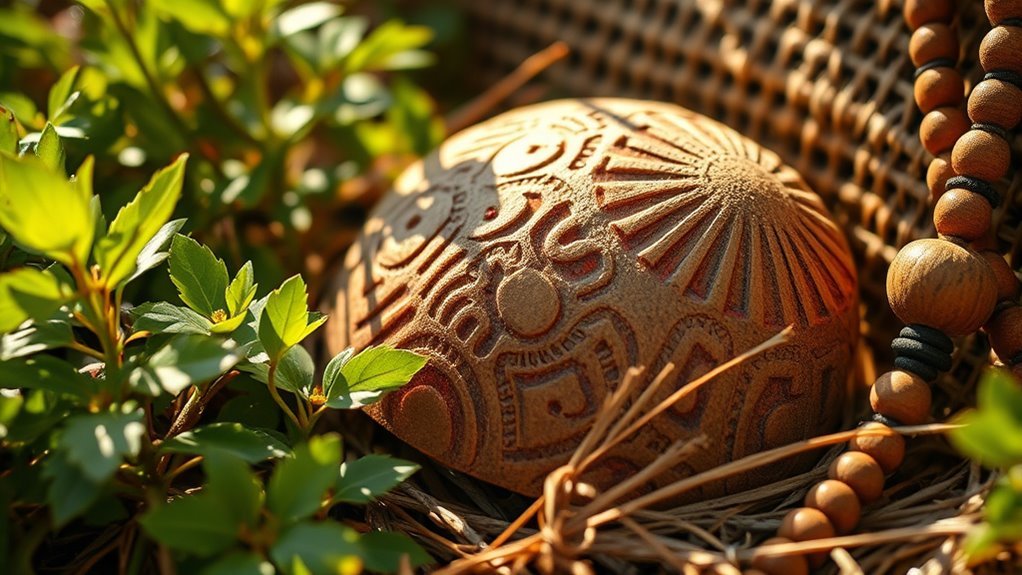
11 Spiritual Meanings of Gundi: Tribal Wisdom & Warm Simplicity
Exploring the spiritual meaning of Gundi shows its link to tribal traditions and community values that have stayed strong over time. Its symbols go beyond simple customs. They represent ideas of balance, safety, and peace. These ideas come from a deep respect for nature and ancestors’ knowledge. Learning about these meanings helps us see how symbols like Gundi keep cultures alive and promote spiritual practices. It also encourages us to think about their importance today. By understanding Gundi’s meanings, we can see what they teach us about shared human life and connection.
Connection to Nature and Earth’s Cycles
The spiritual meaning of a gundi highlights its close link to nature and Earth’s cycles. This animal symbolizes growth, renewal, and the balance of life changes. Its presence can suggest a connection between the physical world and cosmic forces.
When you see a gundi, it may act as a sign of seasonal shifts and natural harmony. It reminds you of your place in the web of life.
The gundi’s symbolism encourages awareness of nature’s subtle movements and celestial influences. This awareness helps guide your spiritual path.
The gundi’s presence fosters a feeling of connection to universal cycles and the harmony between Earth and the sky.
Symbol of Community and Unity
The gundi is a symbol of community and unity. It shows how people are connected and work together for common well-being. The gundi reflects shared cultural values that strengthen tribal identity and build community bonds. Recognizing its importance reminds us of the need for mutual support and teamwork to keep society strong.


- It represents the spirit of solidarity. It shows that individual happiness depends on community strength.
- Its presence encourages social ties based on shared traditions.
- The gundi’s role highlights the need for collective responsibility in tribal life.
- It reminds us that unity maintains cultural traditions and spiritual strength.
This symbol helps us remember the importance of strong community bonds. It promotes feelings of belonging and preserves cultural identity.
Embodying Balance and Harmony
Building on the gundi’s symbol of community and unity, it also shows the need for balance. This balance helps create harmony among people.
Mindfulness practices promote self-awareness and group harmony. Stories from different cultures explain how gundi represents the connectedness of community members. These stories highlight patience and respect.
When you adopt these traditions, you feel more connected and help keep the community strong. The gundi’s symbol reminds us to balance individual needs with the needs of the group.
Achieving this balance builds inner stability that shows outwardly. By embodying balance and harmony with this symbol, you develop a conscious, steady way of living based on shared wisdom.
Sign of Spiritual Protection
When the gundi represents spiritual protection, it acts as a shield against negative energies and harmful influences. It helps you feel safe and strong.
As a sacred symbol, the gundi reminds you of spiritual helpers that support your well-being. Understanding this connection can strengthen your sense of belonging within a protective spiritual environment.
The gundi’s significance as a symbol is seen through:


- Its ability to block harmful forces.
- Its link to divine or ancestral protectors.
- Its use in rituals for spiritual safety.
- Its power to bring comfort and strength.
Representation of Ancestral Wisdom
The gundi is a symbol of ancestral wisdom. It represents the knowledge and spiritual insights passed down through generations. Cultural stories highlight the gundi’s importance as a mark of heritage.
It shows the connection between the past, present, and future communities. When you see the gundi as a vessel of tradition, you acknowledge the shared memories that shape identity and belief. Its presence fosters a sense of belonging rooted in common practices.
The gundi’s meaning goes beyond individual experiences. It reminds us that ancestral wisdom guides us toward harmony and growth. The gundi proves the importance of preserving our heritage and passing it on to future generations.
A Reminder of Life’s Simplicity
The gundi is a small, quiet animal that reminds us of life’s simple truths. It shows us that happiness comes from focusing on what we need, not excess. The gundi lives without fuss and stays strong through simple habits.
Observing its steady way of life can help us slow down. It teaches us to find joy in small, everyday moments. The gundi’s quiet strength shows that clarity and purpose come from less.
Emblem of Courage and Resilience
The gundi shows resilience when facing difficult environments. It symbolizes strength and flexibility in many cultures. It adapts well to dry, harsh areas.
Stories from different tribes often see the gundi as a protector of courage. It stands for survival and the community’s ability to face hardship. The animal’s endurance encourages a sense of unity and belonging.
Its ability to thrive becomes a symbol of inner strength connected to the land. Recognizing the gundi’s meaning helps people understand perseverance as an important part of their culture.
This small creature reminds us that resilience is key to overcoming challenges and staying strong together.
Sign of Prosperity and Abundance
Building on the gundi’s reputation as a symbol of resilience, many cultures see its presence as a sign of prosperity and abundance. It represents not only material wealth but also spiritual richness. The gundi helps promote a sense of collective well-being.
Communities often include gundi in abundance rituals to attract prosperity.
Consider these points:
- Adding gundi images in rituals boosts intentions for financial growth.
- Offering gundi in prosperity rituals shows active efforts to attract wealth.
- Placing gundi in sacred spaces encourages shared prosperity and community strength.
- Consulting gundi during rituals builds faith in resourcefulness and divine support.
This symbolism strengthens your connection to community and wealth. It affirms your place within a shared tradition of abundance.
Reflection of Inner Peace and Calm
The gundi is often seen as a symbol of inner peace and calm. Its steady form represents emotional balance in difficult times.
Its simple shape of a gundi encourages quietness and focus. When you look at a gundi, it can help you feel grounded and peaceful.
Its presence reminds you that stability can stay even when things are messy. The gundi signals calmness that lasts through chaos.
It stands for mindful stillness and helps you connect with a sense of belonging rooted in tranquility.
Expression of Creativity and Expression
The gundi symbolizes peace and calm. It also shows how creative expression can grow from inner tranquility. The creature encourages you to find personal growth through mindful communication. Genuine creativity starts with a peaceful mind and clear intent.
Keep these points in mind:
- Use your calmness to inspire new ideas.
- Express yourself mindfully to show your true self.
- Learn from tribal wisdom to build authentic creations.
- Grow personally by developing your artistic skills.
A Bridge to Sacred Traditions
Connecting with sacred traditions often involves recognizing the meanings behind nature and animals, like the gundi. The gundi appears in many cultures and represents more than just survival. It symbolizes resilience and community, serving as a link to sacred customs.
The gundi helps build a sense of belonging for those who respect its role. Its importance in culture shows values such as harmony, adaptability, and spiritual ties to the environment.
Learning about the gundi’s symbolic role can deepen your connection to traditional practices. It turns everyday encounters into meaningful, sacred moments.
Embracing this animal’s symbolism can strengthen your connection to ancient beliefs and enrich your understanding of tribal wisdom.
Frequently Asked Questions
What Is the Historical Origin of Gundi Symbolism Across Different Tribes?
The symbol of gundi has a long history among different tribes. It started in ancient times as a way for tribes to represent their stories and beliefs. Tribes used gundi symbols to show their connection to nature, land, and ancestors. These symbols helped pass important lessons and traditions from older to younger generations. Over time, gundi became a sign of community, trust, and shared identity. Across different tribes, the meaning of gundi varies but always reflects core values. The origins of gundi show how tribes used symbols to keep their culture alive and strong through centuries.
How Do Gundi Motifs Influence Modern Spiritual Practices?
Gundi motifs shape modern spiritual practices by serving as symbols for meditation. They help people connect with their cultural roots and tribal traditions. These symbols make meditation more meaningful by linking individuals to their heritage. They also promote understanding and unity within spiritual groups. Overall, gundi motifs deepen personal spiritual growth and strengthen community bonds.
Are There Specific Rituals Associated With Gundi in Tribal Ceremonies?
Yes, Gundi plays a specific role in tribal ceremonies. It involves rituals such as Gundi meditation and tribal dance. These rituals create a sense of unity among participants. They also strengthen spiritual and cultural connections. The practices use synchronized movement and mindful exercises. These rituals help maintain and pass down cultural traditions.
How Do Gundi Symbols Vary Among Different Cultural Groups?
Different cultural groups show varying symbol designs of gundi. These variations represent their unique beliefs and traditions. Each group creates symbols that reflect their spiritual and social values. These symbols help strengthen group identity and foster a sense of community. In this way, gundi symbols serve as a visual link to each group’s history and culture.
Can Gundi Imagery Be Integrated Into Contemporary Spiritual Art?
Yes, gundi imagery can be integrated into contemporary spiritual art. You can combine tribal patterns with modern design. This creates artworks that express spirituality clearly. It helps people feel connected and included. This mix keeps cultural traditions alive while making art that appeals to many viewers. Such art can be both meaningful and visually engaging for diverse audiences.

Liza Stockholm is an esteemed spiritual guide and the visionary behind Spiritual with Liza. With a profound passion for empowering others on their spiritual journey, Liza offers a blend of educational content and personal guidance. Her expertise in spirituality is rooted in years of dedicated practice and study, making her a trusted companion for those seeking enlightenment and inner peace.