
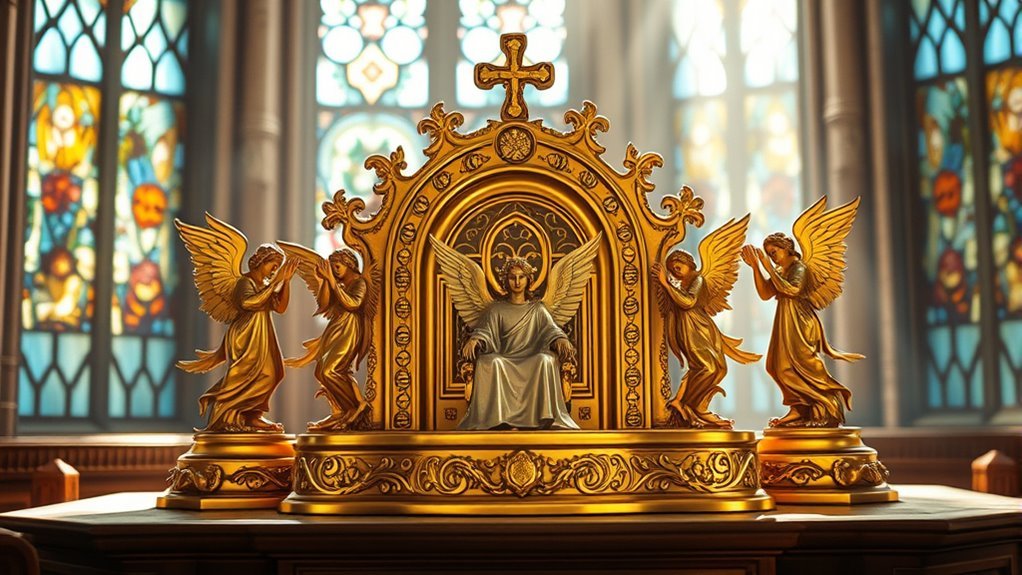
12 Spiritual Meanings of Mercy Seat Bible
The Mercy Seat in the Bible has deep spiritual meanings that can change how you see faith. It signifies God's presence and the relationship He wants with people. Different aspects, such as atonement and the call for repentance, show God's love and compassion. As you learn about these meanings, think about how they might impact your spiritual journey and relationships with others. What insights could this sacred symbol bring to your life?
Key Takeaways
- The Mercy Seat symbolizes God's presence, facilitating a personal relationship between the Creator and humanity.
- It represents atonement and reconciliation, highlighting the need for forgiveness through divine mercy.
- Mercy exemplifies compassion, encouraging individuals to reflect on their capacity for love and empathy towards others.
- The Mercy Seat invites repentance and personal transformation, allowing growth through acknowledgment of mistakes.
- It assures hope and faithful forgiveness, empowering believers to support each other in their spiritual journeys.
The Divine Presence of God
The Mercy Seat represents the throne of God's presence. It connects the Creator and humanity directly.
This space allows for sacred communion, where divine messages emerge and deepen your understanding. Through this connection, you fulfill your desire for belonging.
The Mercy Seat reminds you that God wants a relationship with you. It offers a chance to feel His presence deeply.
Each moment spent in reflection beneath its shadow brings clarity to your spiritual journey, reinforcing that you aren't alone.
Symbol of Atonement
The Mercy Seat is a strong symbol of atonement. It represents our wish for reconciliation and forgiveness. This symbol connects to ancient rituals aiming to restore the relationship between humans and the divine.


We can understand its significance through four key points:
- Divine Justice: It addresses the need to correct wrongs.
- Human Imperfection: It shows our need for forgiveness and grace.
- Sacrificial Offering: It highlights the act of making amends through sacrifice.
- Restoration of Relationship: It focuses on how mercy heals and reconnects us with the divine.
Representation of Mercy
Mercy is represented as an essential aspect of divine compassion at the Mercy Seat. This symbol shows how mercy goes beyond judgment. It isn't a passive quality; mercy acts actively to support those seeking forgiveness.
At this sacred altar, you can sense the care and acceptance present, inviting you to feel divine love. This representation encourages you to think about your ability to show mercy and the importance of compassion toward others.
Recognizing divine compassion fosters a sense of belonging, reminding us that we're all part of a larger story of grace. Embracing mercy can lead to deeper connections with others and a richer understanding of love in our lives.
An Invitation to Repentance
At the Mercy Seat, you receive an invitation to repent. This opportunity can lead to personal transformation and spiritual growth. You can deepen your connection with the Divine and strengthen ties within your community.
Consider the following steps:
- Acknowledgment: Identify where you have made mistakes.
- Contrition: Experience true regret for your actions.
- Commitment: Decide to change your path and improve.
- Action: Take concrete steps to heal and grow.
Accepting this invitation will enhance your life and foster stronger relationships with others, promoting a sense of belonging in your faith community.
The Fulfillment of Prophecy
The Mercy Seat plays a key role in biblical prophecy. It represents God's presence and symbolizes the connection between God and humanity. This sacred object points to the ultimate sacrifice for sins, as foretold by various prophets.


Its significance is clear during Day of Atonement rituals and within the New Covenant. The Mercy Seat reflects God's ongoing message of redemption and fosters a sense of belonging within a community of faith.
Understanding its prophecies can strengthen your journey, reminding you that hope and mercy are central to God's purpose.
The Connection Between Heaven and Earth
While examining the spiritual meaning of the Mercy Seat, you discover a strong connection between heaven and earth. This sacred space acts as a link between the divine and the earthly realm.
Here are four key points that highlight this connection:
- Divine Presence: The Mercy Seat represents God's presence among His people, reminding them that He's always with them.
- Intercession: It symbolizes the act of intercession, where God's compassion meets human needs, allowing grace to flow.
- Revelation: This space offers divine insight, providing clarity about God's will.
- Restoration: The Mercy Seat signifies the healing of relationships between God and humanity, promoting a sense of belonging.
This connection shows how heaven and earth are intertwined, inviting you to deepen your relationship with the divine.
The Blood Sacrifice
The Blood Sacrifice holds great importance, especially in relation to the Mercy Seat. In the ancient sacrificial system, it symbolizes a close relationship between God and His followers. Each sacrifice highlights our need for atonement and connection with the divine.
The blood of the sacrifice was poured over the Mercy Seat, showcasing the seriousness of this covenant. This act isn't just about rituals; it represents life, death, grace, and justice.
The imagery of sacrifice emphasizes God's steady commitment to restore His creation. He invites you into a sacred relationship filled with love and hope.
Assurance of Hope
The Mercy Seat offers a clear promise of hope within your faith. This sacred symbol assures you that you're never alone. You can embrace this hope through:
- Faithful Promises: God's commitments to you're strong and unchanging.
- Transformative Grace: His mercy helps you grow and renew.
- Hopeful Expectations: Looking forward to a better future strengthens your determination.
- Community Connection: Being part of a faith community provides support and encouragement.
These elements create a sense of purpose and belonging. They invite you to move confidently into the future with hope, supported by divine reassurance.
The Mercy Seat reminds you of this hope.
A Call to Worship
As you think about worship, recognize that the Mercy Seat invites you to connect with the divine.
This sacred space encourages you to value communal reverence and shared practices that bring people together. When you gather, you create a space where the Mercy Seat's meaning can be felt by all, enriching your spiritual experience.
Worship isn't just about personal feelings; it's about the energy your group creates, fostering unity and purpose. Through prayer, song, and reflection, you connect with each other as you grow in faith.
Accept this call, and let the Mercy Seat guide your worship experience.
The Promise of Redemption
The idea of redemption shows the powerful promise of the Mercy Seat. This promise offers more than forgiveness. It invites you to explore your journey of redemption and understand the grace available to everyone.
Reflect on these key points:
- Acceptance: You're welcomed as you are, with all your flaws.
- Restoration: You can mend broken relationships through this divine promise.
- Healing: The Mercy Seat provides peace for emotional and spiritual wounds.
- Hope: Each step of your journey builds your faith and trust.
Accepting these truths can create a strong sense of belonging and lead you to a life filled with mercy and grace through redemption.
The Covenant Relationship
Understanding the Mercy Seat helps you see the importance of the covenant relationship it represents. This relationship shows a deep connection between God and His people, filled with love and commitment. Within this bond, God's promises bring assurance of His presence and support in your life.
The blessings of this covenant provide more than just words; they call you into a journey of grace and mercy.
As you think about these promises, notice how they create a sense of belonging. This sense ties you to a community built on faith and shared values.
Embracing this covenant allows you to grasp the depth of your relationship with the Divine. This understanding enriches your spiritual experience continually, making your journey meaningful and fulfilling.
The Reflection of God's Character
The Mercy Seat represents God's character clearly and simply. It shows His holiness, justice, and love.
Study this sacred symbol to learn how it reflects:
- God's compassion through His wish for a relationship with people.
- Divine love that goes beyond our mistakes, offering grace.
- Holy righteousness that maintains moral order and calls us to repentance.
- Faithful forgiveness demonstrating His kindness and humility.
These points highlight that God's character mixes grace with justice.
Recognizing these traits strengthens your bond with Him, creating a feeling of belonging in His presence.
You can trust in His support and understanding always.
Frequently Asked Questions
What Materials Were Used to Construct the Mercy Seat?
The mercy seat was constructed from pure gold. This gold was shaped into a specific design following sacred measurements. The materials used reflect their importance in spiritual practices. This encourages a greater understanding of beauty and purpose in these communal experiences.
How Often Was the Mercy Seat Used in Biblical Rituals?
The mercy seat played an important role in biblical rituals. It was used in atonement ceremonies. This connection allowed individuals to seek divine forgiveness. It also promoted communal healing. The mercy seat reinforced the sense of belonging within the traditions of faith.
Who Was Allowed to Approach the Mercy Seat?
Only the High Priest was allowed to approach the mercy seat. He entered this sacred space once a year. This act represented a strong connection to the divine. It fostered a sense of belonging and reverence in the community.
What Specific Events Occurred at the Mercy Seat?
At the mercy seat, people make sacrificial offerings. These offerings invite God's presence. This space is sacred and connects worshippers to the divine. It reflects humanity's desire for forgiveness, direction, and a closer relationship with God.
How Does the Mercy Seat Differ From Other Biblical Altars?
The mercy seat represents God's presence uniquely. Unlike other altars, it highlights grace and forgiveness. Historically, it served as a connection between God and people, playing a key role in spiritual journeys. This distinction makes it significant for understanding divine mercy.

Liza Stockholm is an esteemed spiritual guide and the visionary behind Spiritual with Liza. With a profound passion for empowering others on their spiritual journey, Liza offers a blend of educational content and personal guidance. Her expertise in spirituality is rooted in years of dedicated practice and study, making her a trusted companion for those seeking enlightenment and inner peace.