
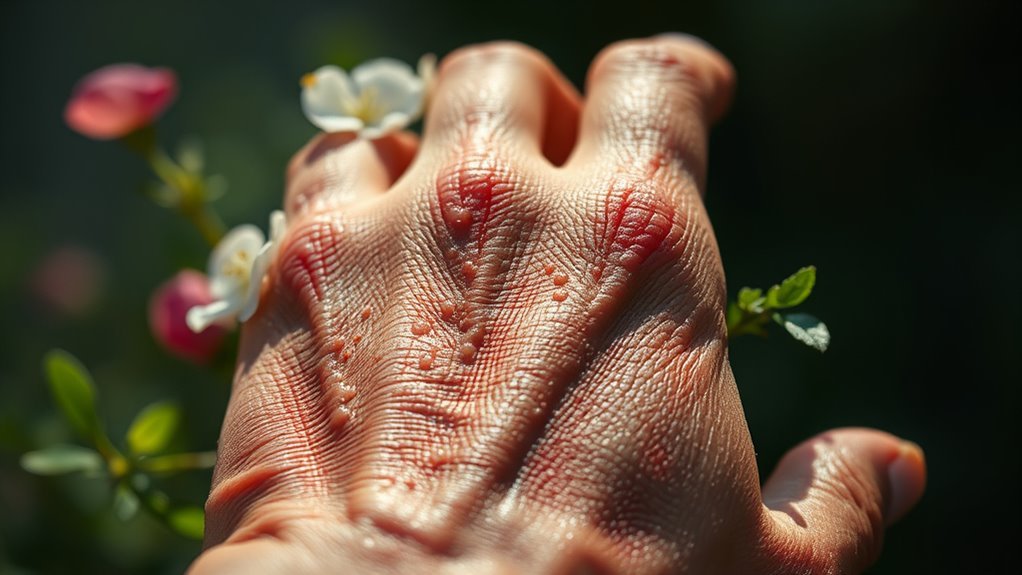
14 Spiritual Meanings of Skin Problems
Have you noticed skin problems appearing during stressful times in your life? These issues often reflect emotional struggles and your inner state. Understanding the spiritual meanings behind skin conditions can provide insights into your emotional well-being. By examining the connection between your skin and your feelings, you may find healing opportunities. Think about what your skin problems reveal about your journey.
Key Takeaways
- Skin problems often reflect emotional struggles, indicating a need for self-acceptance and inner healing to improve overall well-being.
- Conditions like acne and eczema signify stress and anxiety, highlighting the importance of addressing emotional triggers for healthier skin.
- Psoriasis may symbolize an emotional burden that needs attention, urging individuals to express feelings and confront unresolved issues.
- Skin irritation can signal emotional neglect or the need for self-care, emphasizing the necessity of nurturing oneself during tough times.
- Support tools like journaling and meditation can aid in processing emotions related to skin issues, fostering healing and self-reflection.
Acne: The Battle Against Self-Acceptance
Many people struggle with acne and feel inadequate because of it. This struggle affects self-judgment and personal growth. Acne can lead to negative self-talk, making you feel unworthy or out of place. You might want to hide away, trying to fit an often unattainable ideal.
However, accepting your skin's journey can lead to meaningful change. Acknowledging your feelings and loving yourself during this time allows for personal growth. Each blemish can represent a step toward acceptance, fostering stronger connections with yourself and others.
Eczema: A Reflection of Hidden Anxiety
Eczema can reflect hidden anxiety and emotional struggles. Your skin might reveal feelings that need attention. Exploring the emotional triggers of your discomfort can promote healing.
Consider these four points:
- Stress Management: Find what stresses you and increases your eczema.
- Emotional Awareness: Notice your feelings and how they affect your skin.
- Healthy Outlets: Try activities that help you relax and express emotions.
- Support Systems: Connect with others to reduce isolation and anxiety.
Acknowledging the link between your emotions and eczema may help you feel better, both physically and emotionally.


Psoriasis: The Need for Emotional Release
Psoriasis and eczema can reflect our emotional states. If you have psoriasis, it may indicate an emotional burden that needs attention. Your skin might be telling you to find stress relief by facing past traumas and releasing hidden feelings. This connection can create a mental block, making it harder to reach inner peace.
Self-expression plays a vital role in the healing process. By exploring your emotions and allowing emotional release, you create balance within yourself.
Understand that this is about more than just skin; it's about knowing your deeper feelings. Taking time for your emotional health can lead to important changes, helping you live more harmoniously.
Rosacea: Struggles With Self-Worth and Confidence
If you struggle with rosacea, this may impact your feelings of self-worth and confidence. This skin condition can heighten insecurities.
Remember, your true beauty is beneath the surface. Embracing inner beauty and self-acceptance can improve how you view your skin. Here are some ways to boost your self-esteem:
- Practice self-compassion: Recognize your feelings without judgment.
- Focus on your strengths: List qualities you appreciate about yourself.
- Connect with supportive communities: Share your experiences with others who understand.
- Engage in positive affirmations: Remind yourself each day that you're enough.
Finding peace in your journey can deepen your connection with your authentic self.
Rashes: Manifestation of Stress and Overwhelm
Rashes often happen when your body feels stressed. They signal that you should focus on your emotional health.
These skin reactions can show emotional issues caused by various stressors in your life. To relieve overwhelm, try techniques that support spiritual healing and address energy blockages.


Take care of your skin and mind to restore balance. Use mindfulness methods, such as meditation and deep breathing, to manage stress effectively.
Create coping strategies to handle life's pressures. Remember, taking care of your health is essential. By regularly managing stress, you can heal your body and find a greater sense of peace.
Hives: A Sign of Suppressed Emotions
Hives can be a physical sign of strong emotions that you may not express. When you hold back feelings or face stress, your body may react by developing hives.
Identifying this link can help you understand and release these emotions. Here are some common feelings associated with hives:
- Unexpressed Anger: Bottling up anger can show up on your skin as hives.
- Overwhelm: High stress without a way to let it out may cause physical symptoms like hives.
- Anxiety: Worries that linger can trigger your immune system, leading to hives.
- Sadness: Grief that you don't acknowledge may express itself through skin reactions.
Recognizing these connections can help you accept your emotions and create a healing environment.
Dry Skin: A Call for Self-Nurturing
Dry skin may indicate a need for self-care. This condition can reflect emotional or spiritual neglect. It invites you to engage in self-love practices.
Reconnect with your needs. Add nurturing rituals to your daily routine. Enjoy warm baths with soothing oils. Use hydrating creams for gentle massages. These actions can improve your skin and lift your spirit.
Remember to prioritize rest and nourishment, both physically and emotionally. Caring for your dry skin addresses more than just a physical issue. It helps you build a better relationship with yourself, fostering the love and care you deserve.
Oily Skin: Conflict Between Self-Image and Authenticity
Oily skin often reflects a struggle between how you see yourself and who you really are. This common skin issue can make you feel disconnected from your true self. You may sense pressure from society that alters your self-view, leading to feelings of emotional conflict as you seek approval from others.
Here are key points to consider on your journey:
- Self-Image Conflict: Acknowledge how your perception shapes your self-worth.
- Authenticity Exploration: Accept your true self, free from societal pressures.
- Validation Crisis: Recognize how seeking external approval can create inner turmoil.
- Self-Acceptance Journey: Practice kindness towards yourself, which helps build a healthier mindset.
Dealing with oily skin can lead to valuable insights and help you reconcile these conflicting aspects of your identity.
Embrace this journey for growth and understanding.
Stretch Marks: A Symbol of Change and Growth
Stretch marks are often viewed as unwanted signs of change.
However, they can represent your journey of transformation and growth. Instead of hiding them, see these marks as proof of your strength. Each line tells a unique story about the changes you have faced.
Embracing a positive mindset helps you appreciate these changes, promoting body positivity and self-love. By accepting your stretch marks, you honor your journey and recognize the strength it takes to grow.
Age Spots: Acceptance of Time and Life Lessons
Age spots are small brown or black patches on the skin. They remind us of the time that has passed and the lessons we've learned. Embracing these marks encourages self-reflection on the beauty of our aging process.
Consider these insights:
- Accept Time: Recognize the natural progression of your life.
- Gain Wisdom: Each spot represents a lesson learned.
- Embrace Maturity: Take pride in the beauty of aging.
- Acknowledge Your Journey: Each phase of life contributes to who you are.
Scarring: Healing From Past Trauma
Scars can remain on your skin, reminding you of past trauma. However, they also symbolize strength and healing.
Your journey involves accepting these scars and understanding the emotions they represent. Each scar tells a story of overcoming pain and healing. This process encourages self-forgiveness.
By facing your past, you build inner strength and resilience, which leads to personal growth. Recognize that every scar reflects your ability to move forward.
Embrace your journey and honor both your pain and your progress. Scars can show hurt, but they also highlight your ability to heal and thrive.
Skin Tags: Representations of Life's Unresolved Issues
Skin tags often appear unexpectedly on your body.
These growths can represent unresolved issues in your life. They may symbolize emotional baggage you haven't dealt with fully.
If you have skin tags, take a moment to reflect on these points:
- Unacknowledged Emotions: Have you ignored any feelings?
- Unresolved Conflicts: Are there disagreements with loved ones that need attention?
- Stress and Anxiety: Can you identify stressors in your life that remain unresolved?
- Fear of Change: Are you holding on to the past instead of accepting new opportunities?
Recognizing these patterns can help you understand your emotions better.
This insight may allow you to let go of what no longer benefits you and find healing.
Blisters: The Need to Protect Vulnerability
When blisters appear on your body, they may signal the need to protect your vulnerability. Blisters often arise when your emotional barriers feel weak. You might be in situations where you need to shield your true self. Your body responds by forming blisters, encouraging you to face your fears.
Remember, being vulnerable isn't a weakness. It's essential for real connections. Embracing your feelings helps you heal and set better boundaries.
Folliculitis: A Reflection of Anger and Frustration
Folliculitis can be a sign of hidden anger and frustration. It serves as a reminder that you need to address unresolved feelings.
Here are some steps to help you process these emotions:
- Identify Triggers: Notice which events make you angry.
- Express Emotions: Use healthy ways to share your feelings, like writing in a journal or talking to a friend.
- Practice Mindfulness: Try meditation to help you understand your emotions better.
- Seek Support: Look for groups focused on emotional health.
Taking these steps can help you find relief and promote healing.
Frequently Asked Questions
How Can I Differentiate Physical and Spiritual Causes of Skin Problems?
To differentiate between physical and spiritual causes of skin problems, pay attention to your body. Look for any physical symptoms and listen to your intuition. Skin issues can signal energetic blockages, suggesting a need for deeper investigation to find the root cause. Check your physical health, and also consider if stress or emotional factors contribute to your skin condition. Balancing these insights can help you identify the underlying causes.
Are Certain Skin Conditions Related to Specific Emotional Issues?
Certain skin conditions can relate to emotional issues you might face. By becoming aware of these emotions and working on healing them, you can promote better skin health. Taking time for self-reflection and spiritual cleansing can help you let go of negative feelings. This process can lead you to feel more at peace with yourself and enhance your connections with others.
Can Healing Emotional Problems Resolve Skin Issues Permanently?
Emotional healing can improve your skin. By addressing emotional issues, you may see lasting changes in your skin's appearance. This journey can benefit both your emotional well-being and your physical health, helping you feel more connected to yourself and others.
How Does Diet Influence the Spiritual Meanings of Skin Conditions?
Your diet significantly affects your body's balance and emotional health. Healthy foods support spiritual cleansing, while unhealthy choices can slow healing. Practicing mindful eating promotes inner peace and encourages emotional and spiritual growth. Make food choices that align with your goals for overall well-being.
Is There a Connection Between Skin Health and Spiritual Practices Like Meditation?
Yes, meditation can positively affect skin health. It helps reduce stress and promote inner peace. Lower stress levels can lead to better skin rejuvenation and overall wellness. Additionally, feeling calm and centered enhances your sense of belonging and well-being. By incorporating meditation into your routine, you may notice improvements in your skin's appearance and health.

Liza Stockholm is an esteemed spiritual guide and the visionary behind Spiritual with Liza. With a profound passion for empowering others on their spiritual journey, Liza offers a blend of educational content and personal guidance. Her expertise in spirituality is rooted in years of dedicated practice and study, making her a trusted companion for those seeking enlightenment and inner peace.