11 Spiritual Meanings of Tarot: Is It Considered a Sin?
Many people ask if using tarot cards conflicts with their spiritual beliefs or if it is a sin. The answer depends on personal perspective. For some, tarot cards are a helpful tool for self-reflection and personal growth. For others, they may seem confusing or misunderstood. It is important to understand the symbolism of each card and how it relates to your intuition. Approaching tarot with respect and mindful intent can make it a positive practice. Being clear about your purpose helps you use tarot in a way that supports your spiritual journey.
The Symbolism Behind Tarot Cards
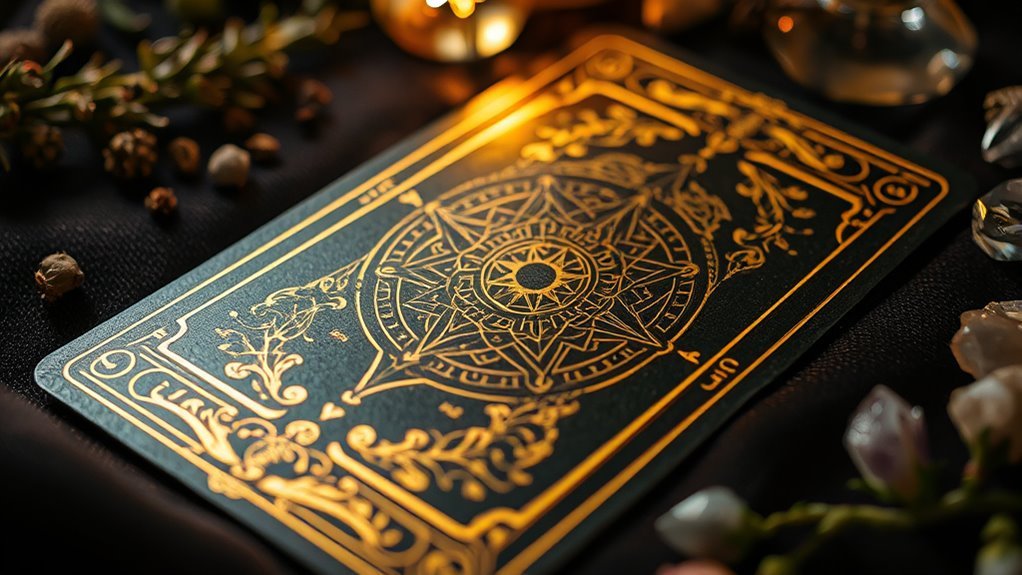
Tarot cards are full of symbols. Each symbol is created to have a deeper meaning. When you look at a card, you see more than just an image. You see a message from the symbol and number on the card.
For example, the number one could mean new beginnings. The Empress card often stands for abundance or growth. The Tower card can remind you of sudden change.
These details help you find more meaning in each card. As you learn the symbols, you’ll feel more connected to the stories the cards tell. It’s like learning a simple language that links you to something larger.
This makes your readings clearer and more meaningful. Maybe those small symbols even hold clues to your future.
Tarot and Spiritual Connection
Many people find that using tarot cards helps create a clear link between their inner thoughts and a broader sense of spirituality.


When you do tarot meditation, you focus your mind and open your heart. This makes it easier for messages from beyond to come through naturally.
You can add simple rituals, like lighting a candle or saying a prayer, to strengthen your connection. These small acts make each reading feel more special and sacred.
Regular practice of tarot meditation or rituals helps you trust your instincts. It also makes you feel more at peace on your spiritual journey.
Think of it as having a quiet talk with your deeper self. This connection can bring comfort and reassurance.
The Role of Intuition in Tarot Reading
When you trust your instincts during a tarot reading, you create a stronger connection with the cards. Your intuition helps you see meanings that words can’t fully explain.
By paying attention to your inner feelings, you gain clearer insights. Recognize when a card’s message feels right beyond its basic meaning.
Trust your gut feelings over outside opinions. Feel the energy of the cards and notice subtle signs from your inner voice. Developing your intuition makes you more confident and genuine.
Your connection to the spiritual side of tarot deepens each time you listen to your inner guidance. This makes each reading a personal journey of self-understanding.


As you grow more intuitive, your readings become more meaningful and inspiring.
Tarot as a Tool for Self-Discovery
Using tarot as a tool helps you explore your inner thoughts and feelings easily. Practice tarot meditation to connect with your intuition.
Let the cards guide you to understand your emotions, problems, and hopes. Keep a tarot journal to write down your impressions and questions. Writing helps clarify your thoughts and feelings.
As you interpret each card, you talk to yourself. This process builds understanding and helps you grow.
Tarot creates a safe space to discover your true self. It’s a gentle guide, not a judge.
Using tarot for reflection makes your self-exploration nourishing. It encourages confidence and peace inside you.
Cultural and Religious Perspectives on Tarot
Throughout history, different cultures and religions have had various views on tarot cards. Some see tarot as a sacred tool that connects to spiritual practices. Others view it as a form of divination that may conflict with their beliefs.
In some societies, tarot may be part of rituals or considered a cultural taboo. This makes many people reluctant to use or discuss tarot openly. For example, some religious groups see tarot as dangerous or tempting. Other groups accept it as a way to get guidance.
Whether people see it as a spiritual experiment or a forbidden act, understanding these views helps us respect different beliefs. Recognizing these perspectives reminds us that respecting each other’s spiritual paths is important.
Common Misconceptions About Tarot
Many people believe some common myths about tarot cards that aren’t true. These myths often come from superstitions, which can make tarot seem scary or off-limits. Some think tarot cards can predict the future with certainty. Others believe that certain cards mean bad luck will follow. Some think tarot is connected to evil spirits.
In reality, tarot is a tool for self-understanding and growth. It isn’t about superstition or dark forces. Instead, many use tarot to gain insight and clarity about their lives.
Like stories, tarot has many layers. Don’t let myths prevent you from exploring its true meaning.
Ethical and Moral Considerations
When using tarot cards, it’s important to consider ethical and moral responsibilities.
Think about how your actions align with your values. Respect the privacy and feelings of others during readings. Don’t make predictions that may cause unnecessary worry.
Use tarot as a helpful guide, not as a way to control others. Be honest about what you can and can’t do with tarot.
Build trust and create positive energy in each reading. Always act with honesty, kindness, and respect for boundaries.
Your intentions influence how others see and feel about your readings.
Historical Use of Tarot in Spirituality
Have you wondered how tarot cards became part of spiritual practices? Their story begins in 15th-century Europe. At that time, people used tarot cards for entertainment and in rituals. They were popular among kings and nobles. Over time, the cards changed from games to tools for understanding life.
In the early 19th century, more spiritual seekers began using tarot. They believed the cards could reveal hidden truths and help with personal growth. Traditionally, tarot was used with meditation, intuition, and rituals. This made the cards more than just games. They became a way to gain deeper insight.
Today, many see tarot as a spiritual tool. It has a long, interesting history that continues to inspire.
Popular Beliefs on Tarot and Sin
Many people see tarot cards as a way to find guidance and learn about themselves.
However, some believe tarot and astrology conflict with their religious values. They fear these practices can lead away from divine truth.
Some think that using tarot can attract negative energies or cause spiritual harm. Others worry that focusing on tarot could take time away from prayer or faith practices.
Many communities consider tarot and astrology forbidden, linking them to superstitions or witchcraft.
Still, some individuals see tarot as a tool to connect with the universe’s wisdom. They don’t see any problem with their faith when using tarot.
How Tarot Influences Personal Growth
Using tarot provides a gentle method to explore personal growth. It helps you understand yourself better.
By practicing tarot meditation, you connect with your thoughts and feelings calmly. Reflecting on tarot cards uncovers hidden emotions and patterns. This guides you to improve yourself.
Balancing your chakras works well with tarot practice. It promotes harmony within your energy centers. This makes you feel more centered and aware.
Doing a tarot reading before or after chakra work can increase your insights. It helps you see what areas need attention.
Navigating Spiritual Beliefs and Tarot Practice
When you practice tarot and hold spiritual beliefs, it’s helpful to follow clear guidelines. These rules help you stay safe and respectful.
First, think about your goal before each reading. Make sure your intention is clear.
Second, respect the beliefs of your clients. Don’t push your ideas on them.
Third, use tarot to guide, not to give absolute answers.
Fourth, avoid practices that don’t match your beliefs.
Finally, listen to your intuition. If you feel uncomfortable or want to stop, trust that feeling.
These steps help create a safe space. It protects both you and those you assist.
Following these rules makes your tarot practice ethical and respectful.
Frequently Asked Questions
Can Using Tarot Cards Harm My Spiritual Well-Being?
Using tarot cards does not have to harm your spiritual well-being if you follow clear ethics and aim for positive guidance. Being part of a good community supports your practice. With clear intentions, tarot can help you understand yourself better without causing harm.
Is There Biblical Evidence Condemning Tarot Practices?
Some people ask if the Bible condemns tarot practices. The Bible does not mention tarot cards directly. However, some interpret certain biblical teachings as warnings against seeking knowledge from spirits or fortune-tellers. These teachings emphasize trusting God’s guidance rather than relying on supernatural methods.
People should evaluate their beliefs carefully. They can choose to follow biblical principles and avoid practices that may conflict with their faith. Understanding these teachings helps believers make informed decisions about tarot and similar practices.
Are Tarot Readings Linked to Paganism or Other Religions?
Tarot readings are not necessarily connected to paganism or other religions. Many people use tarot cards to seek guidance and understanding. They see these images and symbols as tools for personal reflection. People from diverse backgrounds and beliefs may find value in tarot readings. Treat tarot as a way to explore your inner thoughts. It can help you feel connected and supported on your spiritual path. Remember, tarot is a flexible tool. You can use it in ways that fit your personal beliefs and preferences.
How Do Different Cultures View Tarot’s Spiritual Significance?
Different cultures see tarot’s spiritual meaning in many ways. Some cultures believe tarot helps connect with a higher power or gain spiritual insight. They see it as a tool to understand life and future events. Other cultures view tarot with suspicion. They see it as superstitious or unnecessary. These differences show how culture shapes beliefs about tarot’s spiritual role. Some groups accept tarot as part of their spiritual practice, while others do not. This variety reflects the diverse ways people around the world interpret tarot’s significance.
What Are Psychological Risks of Practicing Tarot Privately?
Practicing tarot alone can lead to psychological risks. You might become dependent on tarot for decision-making or emotional support. This reliance can make it difficult to trust your own judgment. You may also feel emotionally vulnerable or overwhelmed. To reduce these risks, connect with others who share your interest. Sharing experiences can help you stay grounded. Keep a healthy balance between practicing tarot and everyday life. This approach helps protect your mental health and supports your personal growth.

Liza Stockholm is an esteemed spiritual guide and the visionary behind Spiritual with Liza. With a profound passion for empowering others on their spiritual journey, Liza offers a blend of educational content and personal guidance. Her expertise in spirituality is rooted in years of dedicated practice and study, making her a trusted companion for those seeking enlightenment and inner peace.